Introduction
Every cell in your body depends on ATP -- adenosine triphosphate -- the universal energy currency of life. Your brain uses it to think. Your muscles use it to move. Your hormones cannot be produced without it. And where does ATP come from? Your mitochondria.
SS-31, also known as Elamipretide, is one of the most clinically advanced mitochondria-targeted peptides in existence. Currently in Phase 3 trials for Barth syndrome (a genetic mitochondrial disorder), it represents a unique approach to cellular energy: rather than simply adding fuel or cofactors, SS-31 stabilizes the structural machinery that produces ATP.
In this article, we will explore how SS-31 works at the molecular level, why the Mitochondria node is so critical in the FixMyT metabolic framework, and what the research shows about enhancing cellular energy production.
Understanding Mitochondria: The Energy of Your Metabolism
In the FixMyT metabolic tree, Mitochondria sits at Level 1, directly downstream of Nutrition. This is because no matter how perfect your diet, the food you eat is meaningless unless your mitochondria can convert it into ATP.
The Mitochondria node represents:
- ATP production: The core energy output that powers everything
- Efficient respiration: Converting nutrients to energy with minimal waste
- CO2 production: A marker of healthy oxidative metabolism
- Stress mediator regulation: Good energy reduces stress hormones
When mitochondria are functioning well, you have consistent energy, good exercise recovery, normal body temperature, and resilience to stress. When mitochondrial function declines, you see chronic fatigue, poor exercise recovery, cold intolerance, brain fog, and accelerated aging.
The downstream implications are profound. Mitochondria power the Gut, Liver, and Thyroid -- all Level 2 nodes. If ATP production is compromised, everything downstream suffers. This is why the FixMyT framework positions mitochondrial health as foundational.
What Is SS-31?
SS-31 (Szeto-Schiller peptide 31) is a synthetic mitochondria-targeted tetrapeptide developed by Dr. Hazel Szeto and Dr. Peter Schiller, from whom it derives its name. It is also known as Elamipretide (its pharmaceutical name), MTP-131, and Bendavia.
Key characteristics of SS-31:
- Sequence: D-Arg-Dmt-Lys-Phe-NH2 (where Dmt is 2',6'-dimethyltyrosine)
- Molecular weight: 640.77 g/mol
- Half-life: Approximately 4 hours (plasma)
- Research status: Phase 3 clinical trials (Barth syndrome)
- FDA designations: Fast Track, Orphan Drug, Rare Pediatric Disease
- Administration: Subcutaneous injection (40 mg daily in clinical trials)
What makes SS-31 unique is its targeting. Due to its alternating aromatic-cationic structure, it concentrates 1,000-5,000 times higher within mitochondria compared to the surrounding cytoplasm. This is not achieved through a targeting sequence or carrier -- the structure itself drives the accumulation.
For complete technical details, see the full SS-31 profile on PepGuide.
How SS-31 Supports ATP Production
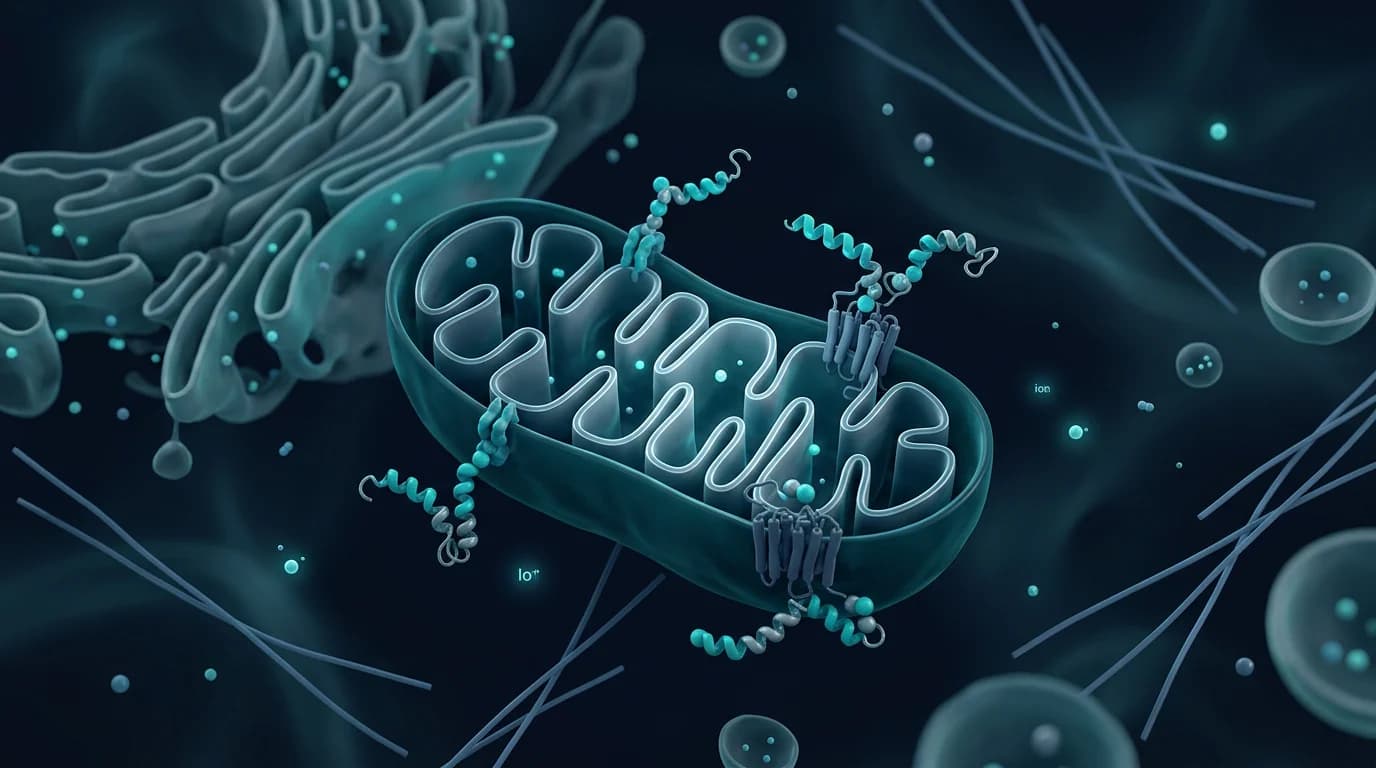
SS-31's mechanism centers on a lipid called cardiolipin, which is found almost exclusively in the inner mitochondrial membrane (IMM).
1. Cardiolipin Stabilization
Cardiolipin is essential for the proper function of the electron transport chain (ETC) -- the machinery that produces ATP. It:
- Holds ETC complexes (I, III, IV, and ATP synthase) in proper conformation
- Facilitates electron transfer between complexes
- Maintains the membrane potential required for ATP synthesis
- Supports cristae structure (the folds of the IMM)
SS-31 binds directly to cardiolipin through electrostatic and hydrophobic interactions. This binding stabilizes the cardiolipin-ETC complex interactions, preventing the dysfunction that occurs when cardiolipin is damaged or destabilized.
2. Electron Transport Chain Optimization
Through cardiolipin stabilization, SS-31 improves ETC function:
- Reduces electron leak at Complexes I and III (major sites of inefficiency)
- Improves coupling between electron transport and ATP synthesis
- Restores normal membrane potential in dysfunctional mitochondria
- Enhances overall ATP production capacity
The result is more ATP per unit of substrate, with less wasted energy and fewer reactive oxygen species.
3. Source-Targeted ROS Reduction
This is critical. Most antioxidants work by scavenging reactive oxygen species after they are formed. SS-31 is different -- it reduces ROS production at the source by preventing the electron leak that creates them.
This "source-targeted" approach means SS-31 does not eliminate all ROS (which are actually needed for cellular signaling) but normalizes production to healthy levels.
4. Cristae Preservation
Cristae are the folds of the inner mitochondrial membrane where the ETC complexes reside. Their structure directly affects ATP production efficiency. SS-31 helps maintain proper cristae morphology, particularly under stress conditions.
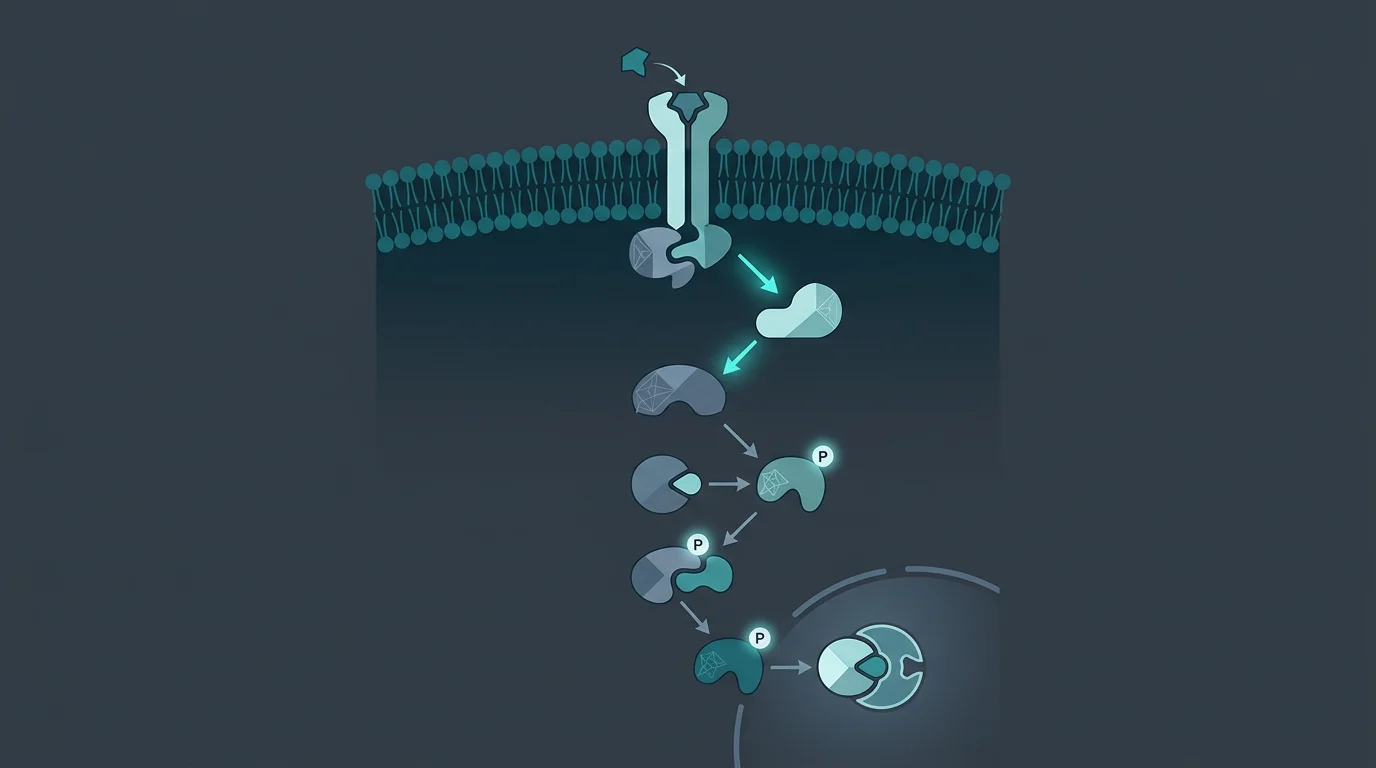
Research published in the British Journal of Pharmacology (2014) describes SS-31 as "the first-in-class cardiolipin-protective compound" and notes its ability to re-energize dysfunctional mitochondria across multiple tissue types.
What Real People Are Saying
SS-31 is less commonly discussed than some research peptides due to its specialized nature, but those exploring it for mitochondrial support have shared observations:
"Started SS-31 after reading the clinical trial data for mitochondrial myopathy. Energy during exercise improved noticeably within 2-3 weeks. Not a dramatic stimulant effect, more like having deeper reserves to draw from. Exercise recovery also improved." — u/mito_researcher on r/Peptides
"Combined SS-31 with MOTS-c for a comprehensive mitochondrial protocol. The combination seems synergistic -- SS-31 for structural support and MOTS-c for signaling. Fatigue that I had attributed to age improved significantly over 8 weeks." — u/longevity_science on r/Nootropics
"My interest in SS-31 was for recovery. As an older athlete, I was struggling with bounce-back between training sessions. SS-31 at 20mg daily seemed to help -- subjectively faster recovery, less lingering fatigue. Worth the premium cost for me." — u/athletic_aging on r/MorePlatesMoreDates
Important caveat: These are anecdotal reports. SS-31 is an investigational drug not approved for general use. Individual responses vary, and these experiences cannot be generalized.
Monitoring Your Mitochondrial Health with FixMyT
Mitochondrial function is foundational in the FixMyT framework. FixMyT helps you assess whether cellular energy might be a factor in your metabolic picture.
The symptoms quiz evaluates key indicators of mitochondrial dysfunction:
- Chronic fatigue (suggests impaired ATP production)
- Poor exercise recovery (mitochondria cannot keep up with demand)
- Cold intolerance (insufficient metabolic heat generation)
- Brain fog (the brain is highly mitochondria-dependent)
The metabolic tree shows Mitochondria receiving input from Nutrition and feeding downstream to Gut, Liver, and Thyroid. If your Mitochondria node scores poorly while Nutrition is optimized, interventions targeting cellular energy production specifically may be worth exploring.
Understanding your mitochondrial baseline helps contextualize whether compounds like SS-31 are addressing a real deficit or simply adding to an already functional system.
Research and Considerations
SS-31 has one of the strongest clinical development programs of any research peptide:
What the evidence strongly supports:
- Cardiolipin binding and stabilization (well-characterized mechanism)
- Improved ETC function and ATP production in preclinical models
- Reduced mitochondrial ROS generation
- Improved function in aged animal models
- Clinical improvements in Barth syndrome trials (Phase 2/3)
Current clinical development:
- Phase 3 TAZPOWER trial for Barth syndrome
- Previous Phase 2 trials in primary mitochondrial myopathy showed improvement
- Trials in heart failure and cardiac ischemia showed trends but mixed results
- FDA Fast Track, Orphan Drug, and Rare Pediatric Disease designations
Important considerations:
- Not yet FDA-approved; still investigational
- Research-grade SS-31 may differ from pharmaceutical-grade
- More expensive than many research peptides
- Optimal dosing for healthy individuals not established
- Long-term effects outside of clinical trials unknown
The clinical development trajectory suggests genuine therapeutic potential, but approval is not guaranteed. The TAZPOWER trial experienced setbacks, though it continues to enroll.
Disclaimer
This article is for educational and research purposes only. SS-31 (Elamipretide) is an investigational drug that is not approved for human use by the FDA or other regulatory agencies outside of clinical trials.
Nothing in this article constitutes medical advice or a recommendation to use any substance. The clinical development status, while promising, does not indicate approval or guaranteed safety for use outside of supervised clinical trials.
If you are interested in mitochondrial health interventions, please consult with a qualified healthcare provider. Research-grade compounds may not meet the purity and quality standards of pharmaceutical-grade drugs used in clinical trials.
Learn More
- Full SS-31 Profile on PepGuide - Complete technical details, dosing, and safety information
- MOTS-c as an Exercise Mimetic - Complementary mitochondrial signaling peptide
- Epitalon for Cellular Longevity - Telomerase activation and mitochondrial support
- FixMyT Metabolic Assessment - Understand your mitochondrial baseline
References
-
Szeto HH. "First-in-class cardiolipin-protective compound as a therapeutic agent to restore mitochondrial bioenergetics." British Journal of Pharmacology. 2014;171(8):2029-2050. doi:10.1111/bph.12461
-
Birk AV, Liu S, Soong Y, et al. "The mitochondrial-targeted compound SS-31 re-energizes ischemic mitochondria by interacting with cardiolipin." Journal of the American Society of Nephrology. 2013;24(8):1250-1261. doi:10.1681/ASN.2012121216

-
Reid Thompson W, Hornby B, Manuel R, et al. "A phase 2/3 randomized clinical trial followed by an open-label extension to evaluate the effectiveness of elamipretide in Barth syndrome, a genetic disorder of mitochondrial cardiolipin metabolism." Genetics in Medicine. 2021;23(3):471-478. doi:10.1038/s41436-020-01006-8
-
Siegel MP, Kruse SE, Percival JM, et al. "Mitochondrial-targeted peptide rapidly improves mitochondrial energetics and skeletal muscle performance in aged mice." Aging Cell. 2013;12(5):763-771. doi:10.1111/acel.12102
-
Sabbah HN, Gupta RC, Kohli S, et al. "Chronic therapy with elamipretide (MTP-131), a novel mitochondria-targeting peptide, improves left ventricular and mitochondrial function in dogs with advanced heart failure." Circulation: Heart Failure. 2016;9(2):e002206. doi:10.1161/CIRCHEARTFAILURE.115.002206