Introduction
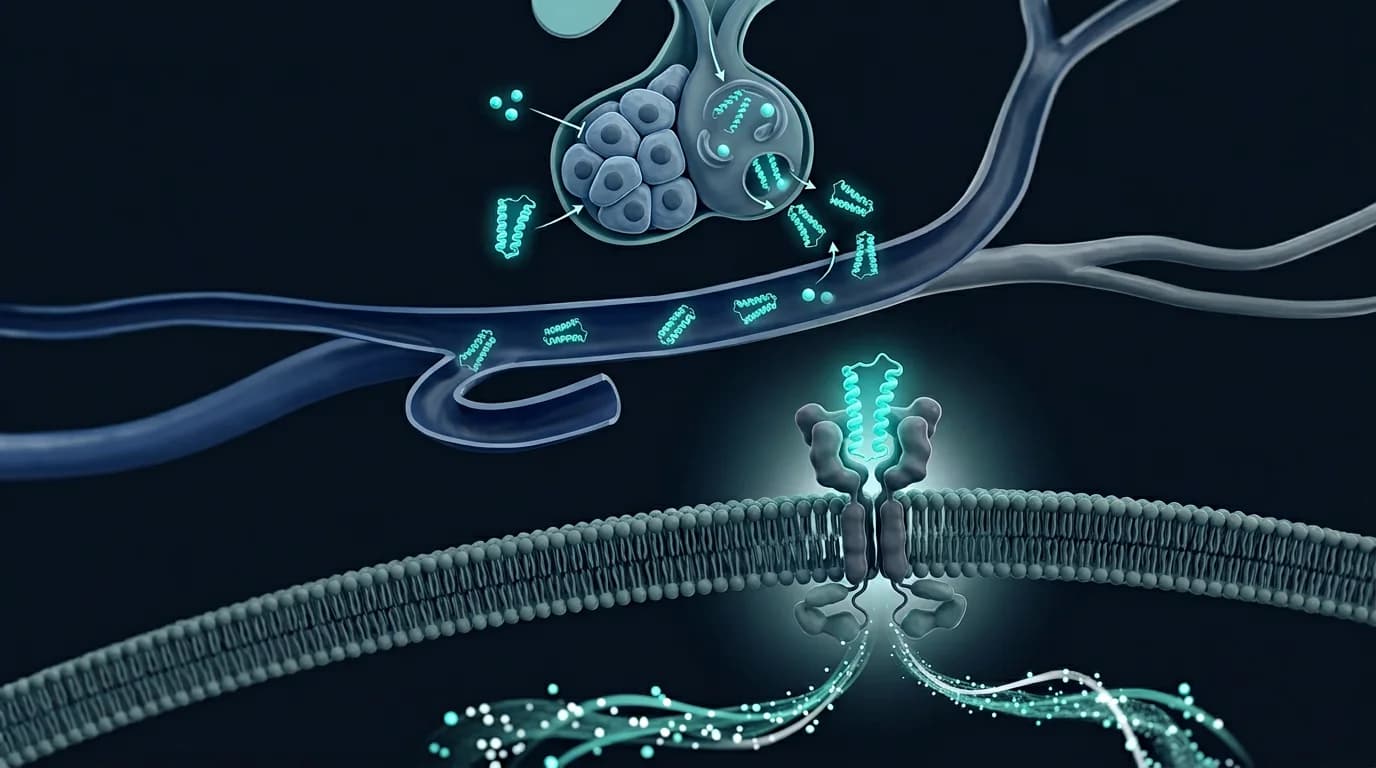
Dopamine is the primary brake on prolactin. In the hypothalamus, dopamine constantly signals the pituitary gland to suppress prolactin release. When dopamine signaling weakens, prolactin rises. And elevated prolactin creates a cascade of metabolic problems: suppressed testosterone, reduced libido, emotional blunting, and fatigue.
This dopamine-prolactin relationship is why many approaches to managing prolactin focus on enhancing dopamine function rather than directly blocking prolactin itself. If you can strengthen dopamine signaling, prolactin often normalizes as a consequence.
Semax is a nootropic peptide with documented dopaminergic effects. Developed in Russia for cognitive enhancement and stroke recovery, Semax increases dopamine turnover in key brain regions. Could this dopamine enhancement also help address elevated prolactin?
In this article, we will explore the relationship between Semax, dopamine, and prolactin control. We will also look at how FixMyT can help you understand where prolactin fits in your metabolic picture.
Understanding Prolactin: The Inhibition Signal
In the FixMyT metabolic tree, prolactin is labeled "Inhibition." This reflects its suppressive effects on metabolic function:
- Prolactin rises with elevated serotonin and estrogen
- It signals reproductive system shutdown
- Elevated prolactin suppresses testosterone and other androgens
- It contributes to low libido in both men and women
- Chronic elevation creates emotional blunting and fatigue
The dopamine-prolactin axis is central:
| Dopamine | Prolactin |
|---|---|
| Inhibits prolactin release | Rises when dopamine falls |
| Associated with drive and motivation | Associated with withdrawal and suppression |
| Activating | Inhibiting |
Symptoms of elevated prolactin include:
- Low libido and reduced sexual function
- Gynecomastia (male breast tissue development)
- Fatigue and low energy
- Emotional blunting or depression
- Erectile dysfunction in men
- Menstrual irregularities in women
The goal is to DECREASE prolactin, often by strengthening dopamine's inhibitory signal.
What Is Semax?
Semax is a synthetic heptapeptide (Met-Glu-His-Phe-Pro-Gly-Pro) developed at the Institute of Molecular Genetics of the Russian Academy of Sciences. It is based on the ACTH 4-10 fragment but has been modified to eliminate hormonal activity while retaining neurological benefits.
In Russia, Semax is approved for:
- Stroke recovery
- Cognitive impairment
- Optic nerve disease
Key mechanisms:
- Dopamine turnover enhancement: Increases dopamine activity in brain regions
- BDNF upregulation: Robust increase in brain-derived neurotrophic factor
- No hormonal activity: Despite ACTH origin
- Neuroprotection: Protects against various neurological insults
For complete information, visit the PepGuide Semax profile.
How Semax May Influence Prolactin
Semax's potential effects on prolactin operate through dopamine enhancement.
Dopamine Turnover Enhancement
Research demonstrates Semax increases dopamine turnover in key brain regions:
- More dopamine is synthesized, released, and utilized
- Dopaminergic transmission is enhanced without causing crashes
- This increased dopamine activity strengthens the inhibitory signal to prolactin-releasing cells
A 2005 study found that Semax activates dopaminergic and serotoninergic systems, with effects on dopamine being particularly notable (Eremin et al., 2005).
Hypothalamic Effects
The hypothalamus is where dopamine exerts its prolactin-inhibiting effect. Semax reaches brain tissue effectively via intranasal administration and may enhance dopaminergic signaling in this critical region.
BDNF and Dopamine Neuron Health
Semax robustly upregulates BDNF, which supports:
- Dopamine neuron survival and function
- Neuroplasticity in dopaminergic circuits
- Recovery of dopamine function that may have been impaired by stress
Chronic stress is known to impair dopamine function and elevate prolactin. By supporting dopamine neuron health through BDNF, Semax may help restore the dopamine-prolactin balance.
Serotonin Modulation
While Semax affects both dopamine and serotonin, the subjective effects suggest a net shift toward dopamine-dominant states. Since serotonin can promote prolactin release, this balance may further support prolactin control.
What Real People Are Saying
Semax users report effects consistent with improved dopamine function, which may influence prolactin.
"Started Semax for cognitive enhancement but noticed improved libido as well. Researched it and learned about the dopamine-prolactin connection. Makes sense - enhanced dopamine would naturally suppress prolactin." — u/dopamine_researcher on r/Peptides
"I had mildly elevated prolactin on labs. After a couple months of cyclical Semax use (for other reasons), my follow-up labs showed normalized prolactin. My doctor thought it was the dopaminergic effect." — u/biohacker_labs on r/Nootropics
"Semax plus Selank is my go-to stack. The Semax seems to boost drive and motivation (dopamine), while Selank handles anxiety. My overall sense of vitality improved significantly, including areas that elevated prolactin had suppressed." — u/nootropic_optimizer on r/Peptides

These reports suggest Semax's dopaminergic effects may translate to prolactin-related improvements.
Monitoring Your Prolactin Health with FixMyT
Elevated prolactin creates symptoms that overlap with other metabolic issues. Low libido could be from high prolactin, low testosterone, elevated estrogen, or high serotonin. Understanding the pattern matters.
FixMyT helps identify whether prolactin-related patterns might be affecting you through its symptoms quiz. The metabolic tree shows how prolactin connects to:
- Serotonin (often elevated together)
- Estrogen (can drive prolactin up)
- Testosterone (suppressed by prolactin)
- Dopamine dynamics (the inhibitory signal)
This systems view helps you understand whether dopamine enhancement might be your leverage point for improving prolactin-related symptoms.
Research and Considerations
Semax has extensive Russian clinical research supporting its neurological effects, though direct studies on prolactin are limited.
What We Know:
- Semax increases dopamine turnover in brain regions
- Dopamine is the primary physiological inhibitor of prolactin
- Russian clinical use spans decades with good safety data
- Cognitive and motivational enhancement are well-documented
- The mechanism for prolactin effects is indirect but plausible
What Remains Uncertain:
- Direct clinical trials measuring prolactin changes with Semax
- Optimal protocols for prolactin-focused outcomes
- Whether effects are sufficient for clinically elevated prolactin
- Individual variation in response
For significantly elevated prolactin, pharmaceutical dopamine agonists like cabergoline remain the standard intervention. Semax may be more relevant for mild elevation or optimization.
Disclaimer
This article is for informational and research purposes only. Semax is not FDA-approved in the United States. It is an approved prescription medication in Russia for specific conditions.
Nothing in this article constitutes medical advice or a recommendation to use Semax. Elevated prolactin can indicate underlying conditions requiring medical evaluation.
Before considering any peptide, consult with a qualified healthcare provider.
Learn More
- PepGuide Semax Profile - Complete peptide information
- PepGuide Selank Profile - Often combined with Semax
- FixMyT - Track your metabolic symptoms
References
-
Eremin KO, et al. "Semax, an ACTH(4-10) analog with nootropic properties, activates dopaminergic and serotoninergic brain systems." Neuroscience and Behavioral Physiology. 2005.
-
Dolotov OV, et al. "Semax, an analog of ACTH(4-10) with cognitive effects, regulates BDNF and trkB expression." Brain Research. 2006.
-
Freeman ME, et al. "Prolactin: structure, function, and regulation of secretion." Physiological Reviews. 2000.
-
Ashmarin IP, et al. "Regulatory peptides in cognitive processes." Neuroscience and Behavioral Physiology. 2002.
-
Ben-Jonathan N, Hnasko R. "Dopamine as a prolactin (PRL) inhibitor." Endocrine Reviews. 2001.