Introduction
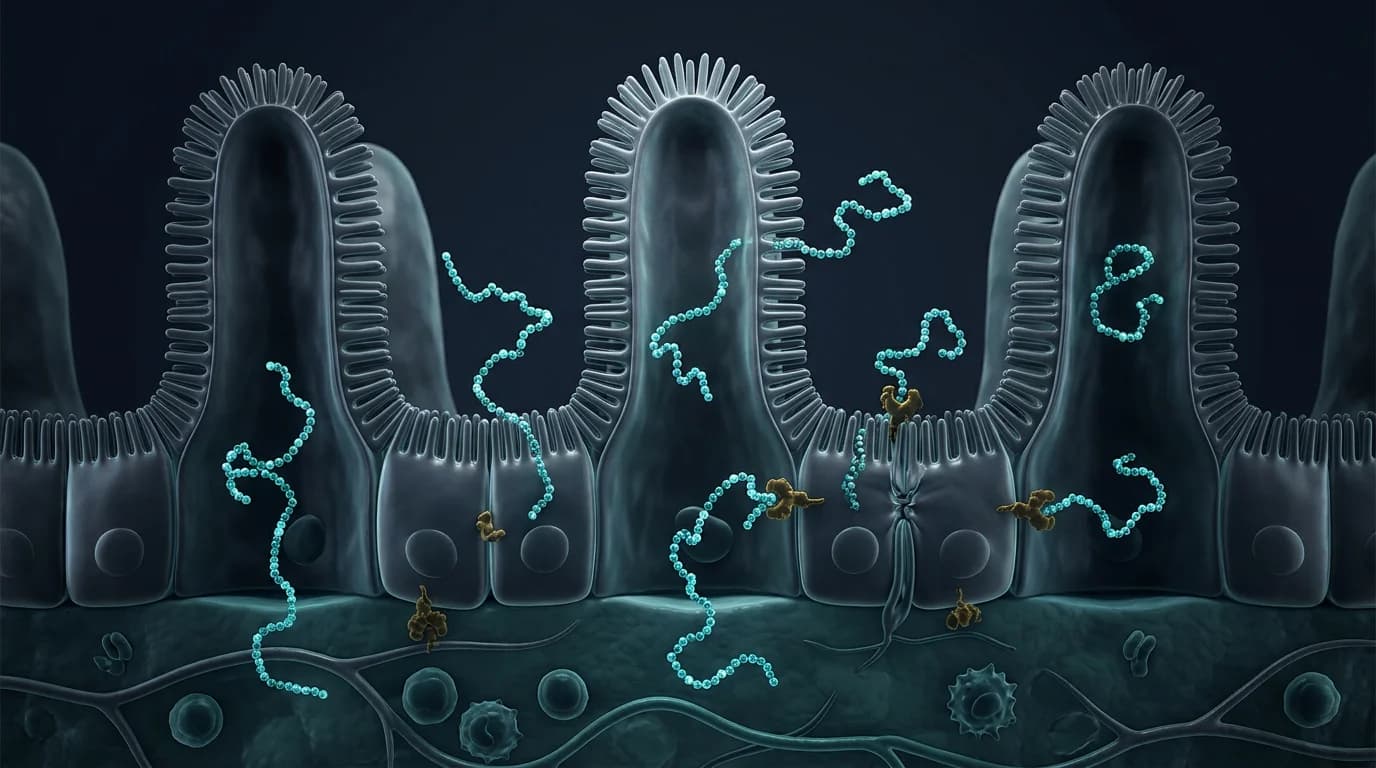
When gut tissue is damaged -- whether from inflammation, infection, ulceration, or other insults -- the body initiates a repair process that requires cells to migrate to the damaged area and rebuild. This regenerative capacity is fundamental to gut health, yet it can become impaired with chronic conditions, aging, or repeated injury.
TB-500 (Thymosin Beta-4) is a 43-amino-acid regenerative peptide naturally found in human blood platelets and wound fluid. Unlike localized peptides, TB-500 works systemically, reaching damaged tissue throughout the body to promote cell migration and structural tissue rebuilding.
In this article, you will explore how TB-500 interfaces with gut tissue repair, why its systemic action is relevant for gastrointestinal healing, and how FixMyT can help you understand whether tissue repair capacity may be a factor in your gut health. If you have been dealing with chronic gut damage that does not seem to heal properly, this research is relevant.
Understanding the Gut: The Signal of Your Metabolism
The Gut node in the FixMyT metabolic tree sits at Level 2, downstream from Mitochondria and upstream of the Liver and Serotonin pathways. The subtitle "Signal" captures the gut's role as a hormonal signaling organ, but the gut is also tissue -- epithelial cells, connective tissue, blood vessels -- that requires ongoing repair and regeneration.
The Gut node encompasses:
- Tissue integrity: Maintaining healthy epithelial lining
- Minimizing endotoxin: Keeping microbial products from crossing into circulation
- Regular transit: Supporting healthy motility
- Hormonal signaling: Communicating with the brain and other organs
When gut tissue is damaged, these functions suffer. Ulcers create localized inflammation. Chronic inflammatory conditions lead to fibrosis (scarring). Poor tissue repair means the gut cannot properly heal from normal wear and tear, let alone from injury.
The downstream effects are significant: the Liver receives blood from a damaged gut, serotonin production is impaired in damaged intestinal cells, and systemic inflammation rises. Supporting the gut's tissue repair capacity addresses a fundamental aspect of gut health.
What Is TB-500?
TB-500 is a synthetic version of Thymosin Beta-4 (Tb4), a naturally occurring 43-amino-acid peptide found in high concentrations in blood platelets and wound fluid. The natural hormone is released when tissue is damaged, signaling repair processes to begin.
Key characteristics:
- Origin: Synthetic version of human Thymosin Beta-4
- Classification: Actin-binding regenerative peptide
- Molecular weight: 4963 Da
- Primary function: Cell migration and structural tissue rebuilding
- Administration: Subcutaneous or intramuscular (2-10 mg weekly)
Unlike BPC-157 which is often injected near the injury site, TB-500 works systemically. The peptide can be injected anywhere -- it will find damaged tissue throughout the body. This makes it particularly relevant for gut applications, where localized injection is not practical.
TB-500 has a relatively long half-life for a peptide (24-48 hours), which means less frequent dosing is required. It is currently a research compound and is not FDA-approved. It is also on the WADA prohibited list.
For complete technical details, see the full TB-500 profile on PepGuide.
How TB-500 Supports Gut Function
TB-500 operates through several mechanisms that directly support tissue repair.
1. Actin Upregulation and Cell Migration
TB-500 is the main G-actin sequestering molecule in eukaryotic cells. It regulates the organization of the cytoskeleton -- the internal scaffolding that allows cells to maintain shape and move.
By modulating actin, TB-500 enhances cell migration to damaged tissue. When gut lining is injured, epithelial cells need to migrate to cover the wound. TB-500 facilitates this process, potentially accelerating closure of ulcers and lesions.
2. Angiogenesis
Healing requires blood supply. TB-500 stimulates the growth of new blood vessels (neovascularization) from existing vessels, ensuring damaged gut tissue receives the oxygen and nutrients necessary for repair.
This is particularly relevant for chronic gut conditions where blood flow to damaged areas may be compromised.
3. Anti-Fibrotic Action
One of TB-500's most important properties is its ability to reduce scar tissue (fibrosis) formation. Chronic gut inflammation often leads to fibrotic scarring that can impair function. TB-500 lowers levels of pro-inflammatory myofibroblasts, the cells responsible for excessive scar tissue.
Research has shown that TB-500 promotes healing with flexibility rather than stiffness -- tissue that retains normal function rather than being replaced by non-functional scar.
4. Stem Cell Differentiation
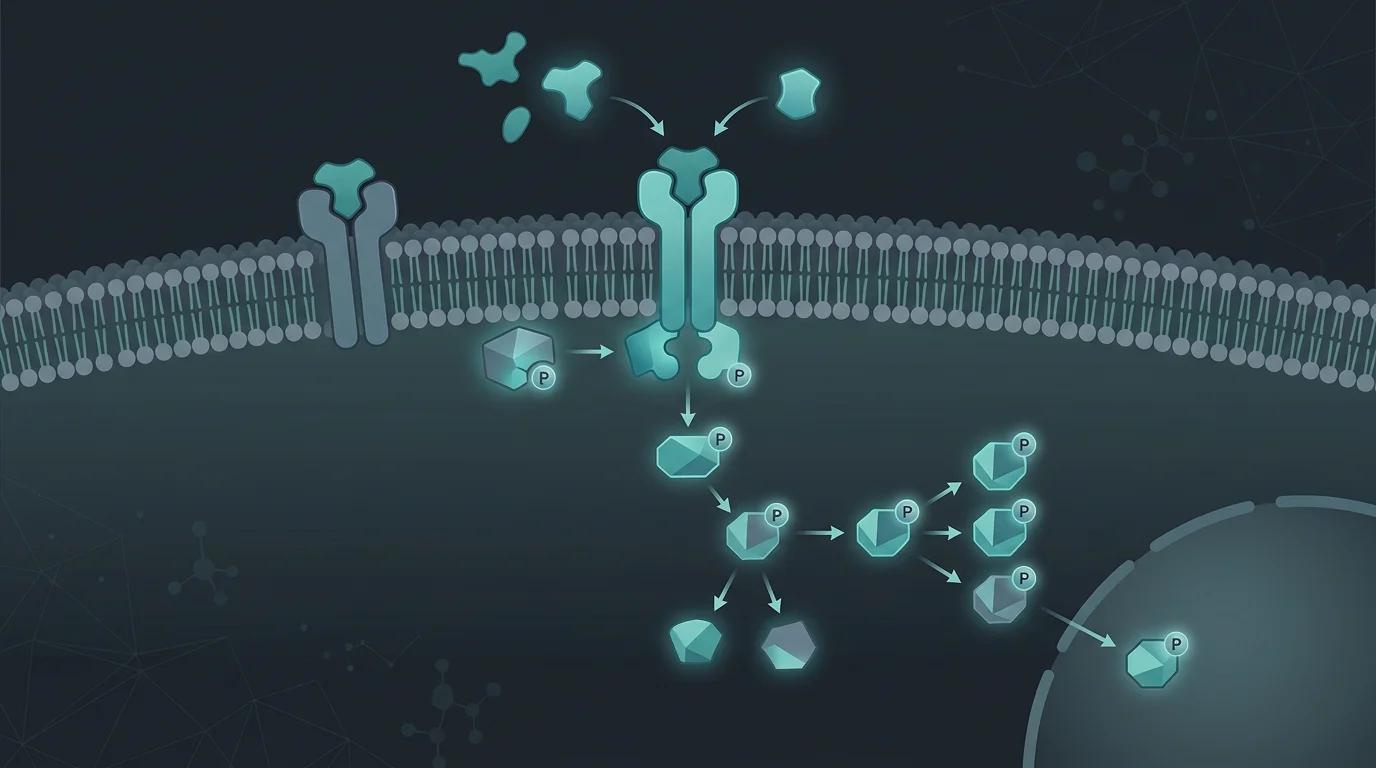
TB-500 promotes the differentiation of progenitor cells into specialized tissues. For the gut, this means supporting the regeneration of functional epithelial cells and other gut tissue types.
5. Systemic Distribution
Unlike localized peptides, TB-500's systemic action means it reaches the entire gut -- small intestine, large intestine, and any other damaged tissue. This is relevant for conditions affecting multiple areas of the GI tract.
What Real People Are Saying
TB-500 has been extensively discussed in the peptide community, including for gut applications:
"Running TB-500 primarily for a shoulder injury, but noticed my gut issues improved as well. Had ongoing gastritis symptoms that calmed down during the protocol. Makes sense given the systemic action -- it finds damaged tissue wherever it is." — u/systemic_healing on r/Peptides
"Used TB-500 + BPC-157 combo for ulcerative colitis flare support. BPC oral for direct gut action, TB-500 subcutaneous for systemic healing. The combination seemed more effective than either alone. Scope showed improvement at follow-up." — u/uc_researcher on r/IBD
"Post-surgical gut healing was my application. After bowel resection, ran TB-500 during recovery. Surgeon noted faster-than-expected anastomosis healing at follow-up imaging. Correlation not causation, but timing was interesting." — u/post_surgery_protocol on r/MorePlatesMoreDates
These are individual experiences from personal research. Gut healing involves multiple factors, and peptide effects are one variable among many.
Monitoring Your Gut Health with FixMyT
Understanding gut tissue health requires looking at symptoms and metabolic context. FixMyT provides a framework for assessing the Gut node within the broader metabolic picture.
The FixMyT symptoms quiz identifies markers relevant to gut tissue integrity:
- Bloating (may indicate impaired tissue function)
- Constipation (can reflect poor gut motility from tissue issues)
- Food sensitivities (often linked to barrier/tissue dysfunction)
- Brain fog (frequently gut-derived)
The visual metabolic tree shows how the Gut connects upstream to Mitochondria (energy for tissue repair) and downstream to the Liver and Serotonin pathways. Tissue repair at the gut level supports the entire downstream cascade.
If you are considering TB-500, understanding your baseline is essential. FixMyT helps you determine whether gut tissue repair is actually needed or whether your symptoms originate elsewhere in the metabolic cascade.
Research and Considerations
TB-500's research base is primarily from soft tissue, cardiac, and neurological applications, with gut-specific research still developing:
What the evidence supports:
- Enhanced cell migration and tissue repair (well-established)
- Angiogenesis promotion in damaged tissue
- Anti-fibrotic effects reducing scar formation
- Systemic distribution reaching multiple tissue types
What needs more research:
- Gut-specific applications and outcomes
- Optimal dosing for gastrointestinal conditions
- Long-term safety data
- Comparison to gut-specific peptides like BPC-157
The synergy between TB-500 and BPC-157 is frequently discussed. The combination addresses complementary aspects of healing: BPC-157's local tissue effects and growth factor modulation plus TB-500's systemic cell migration and structural rebuilding. For gut applications specifically, this stack is popular in the research community.
Important consideration: TB-500 promotes angiogenesis, which raises theoretical concerns about tumor growth promotion. Anyone with a history of malignancy, including gastrointestinal cancers, needs to carefully consider this risk.
Disclaimer
This article is for educational and research purposes only. TB-500 is not approved for human use by the FDA or other regulatory agencies and is prohibited by WADA. Nothing in this article constitutes medical advice or a recommendation to use any substance.
Chronic gut conditions require proper medical diagnosis and management. If you are experiencing persistent gut symptoms, consult with a gastroenterologist to identify the underlying cause before considering any interventions.
Individual responses vary significantly. The information here reflects current research as of the publication date and may evolve.
Learn More
- Full TB-500 Profile on PepGuide - Complete technical details and mechanisms
- BPC-157: The Gut Healing Peptide - Complementary localized healing
- KPV for Gut Inflammation - Anti-inflammatory approach
- FixMyT Metabolic Assessment - Understand your gut and metabolic baseline
References
-
Goldstein AL, et al. "Thymosin beta4: a multi-functional regenerative peptide. Basic properties and clinical applications." Vitamins and Hormones. 2012;85:187-215.
-
Sosne G, et al. "Thymosin beta 4 and corneal wound healing: visions of the future." Experimental Eye Research. 2015;140:1-3.
-
Kleinman HK, Sosne G. "Thymosin Beta 4: Therapeutic potential in regenerative medicine." Journal of Clinical Medicine. 2024;13(3):256.
-
Shrivastava S, et al. "Angiogenic and anti-fibrotic effects of TB-500 in musculoskeletal injuries." Stem Cell Research & Therapy. 2025;16(1):45.
-
Ho JH, et al. "Thymosin beta-4 and its N-terminal tetrapeptide, Ac-SDKP, are G-actin-sequestering proteins and cell migration modulators." Peptides. 2010;31(7):1361-1367.