
Kisspeptin-10
Also known as: Kisspeptin, Kp-10, Metastin 45-54, KISS1 decapeptide
A key reproductive hormone that stimulates GnRH release, triggering the entire hormonal cascade for reproduction. Used in fertility research and as a diagnostic tool for reproductive disorders.
▶ Kisspeptin-10 in 30 Seconds
Research overview only. Not medical advice.
Half-Life
28 minutes
Typical Dose
0.3-9.6 nmol/kg
Frequency
Variable (research protocols)
Routes
Intravenous
Overview
Kisspeptin-10 (Kp-10) is a 10-amino acid peptide derived from the KISS1 gene product. It represents the minimum active fragment of the larger kisspeptin family and is a master regulator of reproductive function. Kisspeptins act as the upstream trigger for the hypothalamic-pituitary-gonadal (HPG) axis, making them essential for puberty, fertility, and reproductive health.
The discovery of kisspeptin's role in reproduction is relatively recent (2003) and has revolutionized our understanding of reproductive neuroendocrinology. Mutations in the kisspeptin receptor (KISS1R/GPR54) cause hypogonadotropic hypogonadism, demonstrating its essential role.
Key Characteristics
- Origin: Derived from KISS1 gene product
- Classification: Reproductive neuropeptide
- Sequence: 10 amino acids (C-terminal fragment)
- Receptor: KISS1R (formerly GPR54)
- Unique Feature: Master switch for reproductive hormone cascade
The Kisspeptin Family
| Peptide | Length | Activity |
|---|---|---|
| Kisspeptin-54 | 54 aa | Full length, potent |
| Kisspeptin-14 | 14 aa | Highly active |
| Kisspeptin-10 | 10 aa | Minimum active fragment |
| Shorter fragments | Less than 10 aa | Inactive |
All active forms share the C-terminal 10 amino acids essential for receptor binding.
Mechanism
Primary Mechanisms
1. GnRH Neuron Stimulation
Kisspeptin is the key trigger:
- Binds KISS1R on GnRH neurons in hypothalamus
- Stimulates GnRH (Gonadotropin-Releasing Hormone) release
- Acts as the "master switch" for reproduction
- Most potent known stimulator of GnRH
2. LH and FSH Release
Downstream effects:
- GnRH stimulates pituitary gland
- Luteinizing Hormone (LH) released
- Follicle Stimulating Hormone (FSH) released
- These drive gonadal function
3. Sex Steroid Production
End result of cascade:
- In males: Testosterone production
- In females: Estrogen and progesterone
- Complete reproductive axis activation
- Gametogenesis supported
4. Pulsatile Release Pattern
Kisspeptin governs GnRH pulsatility:
- Pulse generator in arcuate nucleus
- Coordinates with dynorphin and neurokinin B
- Essential for normal reproductive function
- Disrupted pulsatility causes infertility
Location of Action
Kisspeptin neurons are located in:
- Arcuate nucleus (ARC): Pulse generation
- Anteroventral periventricular nucleus (AVPV): LH surge in females
- Both areas essential for different reproductive functions
Research
Research Note: Kisspeptin research is a rapidly evolving field. It has transitioned from basic science discovery to clinical applications in fertility and reproductive medicine.
Fertility Applications
In Vitro Fertilization (IVF)
Research in IVF shows:
- Kisspeptin can trigger oocyte maturation
- May replace hCG for final maturation trigger
- Reduced risk of ovarian hyperstimulation syndrome (OHSS)
- Multiple clinical trials completed
Mechanism in IVF
- Stimulates endogenous LH surge
- More physiological than exogenous hCG
- Safer profile for high-risk patients
- Effective oocyte retrieval rates
Hypothalamic Amenorrhea
Studies in women with HA:
- Restores LH pulsatility
- Increases reproductive hormones
- May restore menstrual function
- Promising for functional hypothalamic disorders
Male Reproductive Research
Hypogonadism
Research indicates:
- Effective stimulation of testosterone
- Increases LH in hypogonadal men
- May help differentiate causes of hypogonadism
- Potential alternative to testosterone replacement
Diagnostic Applications
Used to assess:
- GnRH neuron function
- Pituitary responsiveness
- Hypothalamic vs pituitary pathology
- Pubertal progression
Puberty Research
Delayed Puberty
Kisspeptin studies show:
- Can initiate pubertal hormone increases
- Useful diagnostic tool
- May have therapeutic potential
- Helps identify underlying causes
Sexual Behavior
Libido and Arousal
Emerging research suggests:
- Kisspeptin enhances sexual processing in brain
- Increases limbic brain activity to sexual stimuli
- Potential treatment for hypoactive sexual desire
- Psychological and physiological components
Dosing
Disclaimer: Kisspeptin-10 is an investigational compound used in clinical research settings. It is not approved for routine clinical use. Dosing information reflects research protocols.
Research Protocols
Administration Methods
Intravenous (Most Common in Research)
- Bolus injection for diagnostic use
- Precise dosing possible
- Rapid onset of action
- Used in most clinical studies
Subcutaneous
- Alternative for repeated dosing
- Slightly delayed absorption
- More practical for extended protocols
- Being studied for clinical use
Dosing Considerations
Weight-Based Dosing
- Most protocols use nmol/kg
- Accounts for body size variation
- Important for reproducible responses
Sex Differences
- Women may show menstrual cycle-dependent responses
- Men typically show consistent responses
- Timing relative to cycle important in females
Response Monitoring
Typical measurements after kisspeptin:
- LH levels (primary endpoint)
- FSH levels
- Sex steroids (testosterone/estradiol)
- Timing: Peak LH usually 30-60 minutes
Pharmacokinetics
Absorption
- IV: Immediate availability
- SC: Rapid absorption, slight delay to peak
Distribution
- Reaches hypothalamus and pituitary
- Crosses blood-brain barrier to access targets
- Relatively wide distribution
Metabolism
- Rapidly degraded by peptidases
- Short plasma half-life (~28 minutes)
- No known active metabolites
Elimination
- Rapid clearance
- Effects on LH outlast plasma presence
- No accumulation with pulsed dosing
Synergy & Stacking
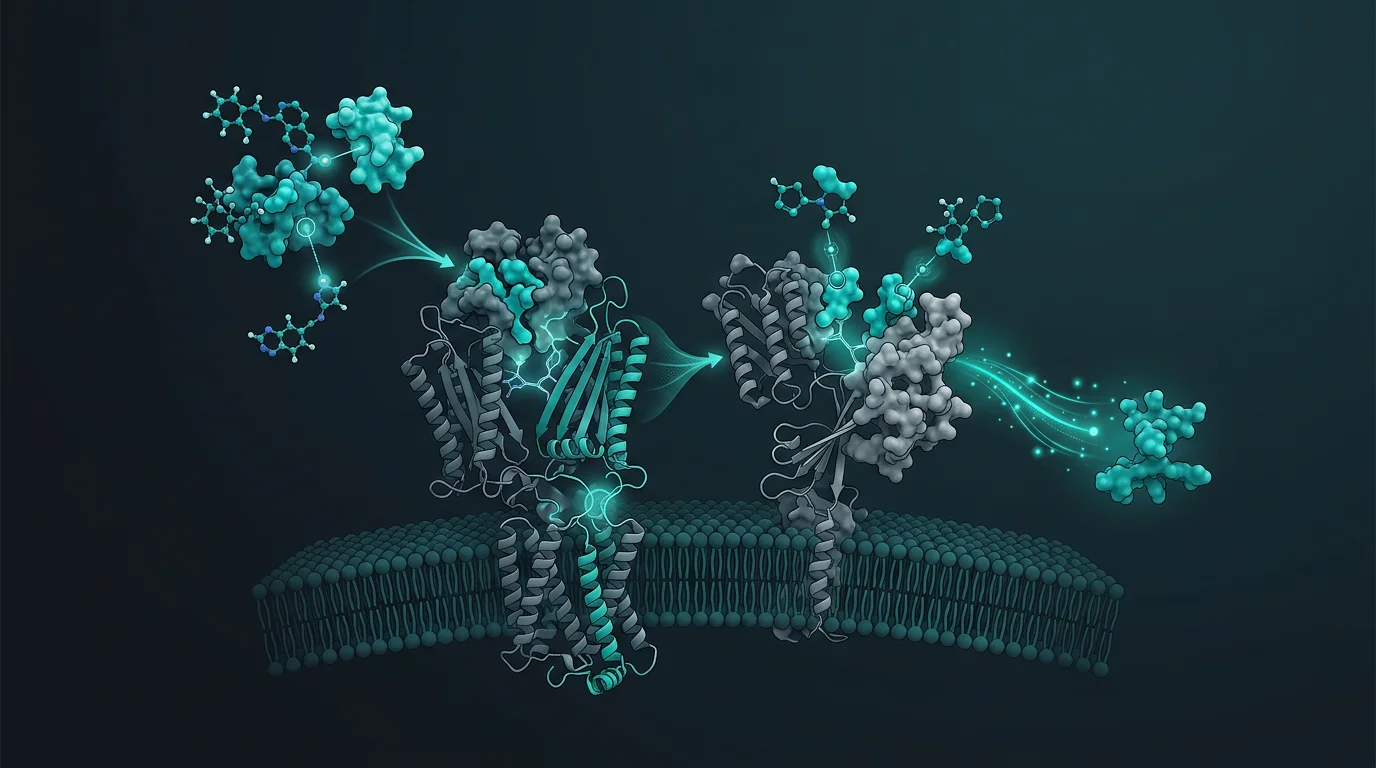
Clinical Combinations
Kisspeptin + Low-Dose hCG
In IVF research:
- Kisspeptin triggers initial LH surge
- Low-dose hCG supports luteal phase
- Reduced OHSS risk
- Maintained pregnancy rates
Kisspeptin + GnRH
Diagnostic protocols:
- Sequential administration
- Helps localize reproductive axis defects
- Differentiates hypothalamic vs pituitary issues
Research Combinations
Kisspeptin + Neurokinin B Agonists
Emerging research:
- Synergistic effects on GnRH
- May enhance pulsatility
- Experimental combinations
Safety
Clinical Trial Safety
Kisspeptin has shown an excellent safety profile:
Common (mild, transient)
- Flushing
- Warm sensation
- Metallic taste (IV administration)
- Mild headache
Not Observed
- Serious adverse events
- Ovarian hyperstimulation (key advantage)
- Significant hormonal disturbances
- Long-term adverse effects
Comparison to hCG (IVF Trigger)
| Safety Aspect | Kisspeptin | hCG |
|---|---|---|
| OHSS Risk | Very low | Significant |
| Duration of action | Short | Long |
| Hormonal intensity | Moderate | High |
| Repeat dosing safety | Favorable | Concerning |
Contraindications
Avoid if:
- Hormone-sensitive cancers
- Pregnancy (beyond IVF trigger)
- Pituitary tumors
- Conditions worsened by hormone stimulation
Safety Advantage: The short half-life of kisspeptin makes it safer than hCG for IVF triggers, particularly in women at risk for ovarian hyperstimulation syndrome.
Monitoring
Diagnostic Use
Standard Protocol
- Baseline LH, FSH, sex steroids
- Kisspeptin administration
- Serial blood draws (15, 30, 60, 90, 120 min)
- LH response curve analysis
Research/Therapeutic Use
Before Treatment
- Complete reproductive hormone panel
- Ovarian reserve markers (women)
- Testicular function assessment (men)
During Treatment
- Hormone levels as per protocol
- Ultrasound monitoring (IVF)
- Side effect assessment
Regulatory
Current Status
| Region | Status |
|---|---|
| United States | Investigational; FDA trials ongoing |
| European Union | Investigational; clinical research |
| WADA | Not specifically listed |
| Clinical Trials | Active trials in IVF and diagnostics |
Legal Considerations
- Available for research use
- Not approved for clinical practice (yet)
- Clinical trials accessible at major centers
- Regulatory approval anticipated in coming years
Clinical Development
Kisspeptin is being developed for:
- IVF trigger (most advanced)
- Fertility diagnostics
- Hypoactive sexual desire disorder
- Hypothalamic amenorrhea
Future Directions
Potential Applications
Beyond Fertility
- Sexual dysfunction treatment
- Puberty induction
- Metabolic effects (emerging)
- Bone health connections
Drug Development
- Long-acting kisspeptin analogs
- Oral formulations (challenging)
- Receptor antagonists for other uses
References
Compare Kisspeptin-10 Prices
2 vendors| Vendor | Quantity | Price | $/mg | |
|---|---|---|---|---|
Orbitrex PeptidesPartnerBest Value | $79.99 | N/A | View Deal | |
Core Peptides | 10mg | $63.00 | $6.30/mg | View Deal |
For research purposes only. We may earn a commission.
See all vendors →Community Insights
Limited DataAggregated from 15 self-reported experiences collected from public forums.
Overall Sentiment
Reported Benefits
- improved sexual function1x
- helped with sexual dysfunction1x
- mild mood boosting effect1x
- increased alertness1x
- improved hematocrit1x
- improved rbc1x
Reported Side Effects
- seemed bunk initially1x
- increased estradiol1x
- sleep issues1x
- heavy legs1x
- emotional instability1x
- mixed with other compounds1x
Common Doses Reported
- 150 micrograms1 report
- 250mcg daily1 report
- 200mcg1 report
- 250mcg 2x daily1 report
- 200mcg/day1 report
Administration Routes
- subcutaneous3 reports
- nasal2 reports
This data reflects self-reported user experiences collected from public forums. It is not medical advice. Individual results vary. Always consult a qualified healthcare professional before using any research compound.
Get Our Free Peptide Research Guide
100 essential tips for safe peptide research, delivered as a free PDF.
Where to Buy Kisspeptin-10
Compare prices from 2 vendors • Best value: $6.30/mg
$79.99
10
$63.00
$6.30/mg
Disclaimer: These products are sold for research purposes only. Prices and availability may change. Prices as of 4/19/2026.
Need Research Supplies?
Syringes, bacteriostatic water, vials, alcohol swabs, and more. Everything you need for peptide research.
Browse SuppliesRelated Tips for Kisspeptin-10
Implement a Clear Peptide Labeling System
Proper labeling prevents mix-ups and ensures research accuracy.
Staying Updated on Changing Peptide Regulations
Essential resources and strategies to track evolving peptide regulatory landscape.
Understanding FDA Status of Research Peptides
Know your peptide's regulatory status before starting research.