
Hexarelin
Also known as: Examorelin, HEX, Growth Hormone Releasing Hexapeptide
Hexarelin is a synthetic hexapeptide growth hormone secretagogue and one of the most potent GHRP-class peptides. It stimulates robust GH release via the ghrelin receptor while also exhibiting cardioprotective properties independent of GH signaling.
▶ Hexarelin in 30 Seconds
Research overview only. Not medical advice.
Half-Life
70 minutes
Typical Dose
100-200 mcg
Frequency
2-3x daily
Routes
Subcutaneous
Half-Life Visualization
Half-Life Decay Curve
Concentration over time assuming initial dose = 100%
Use arrow keys to navigate: Left/Right for time, Up/Down for peptides
Shaded areas represent reported half-life variability from published studies.
| Peptide | Half-Life | 50% at | 25% at | 12.5% at | Redose Window |
|---|---|---|---|---|---|
Hexarelin | 1.17h | 1.17h | 2.34h | 3.51h | 1.17h - 2.34h |
Ipamorelin | 2h | 2h | 4h | 6h | 2h - 4h |
Comparing Hexarelin with Ipamorelin
Open Full Comparison ToolOverview
Hexarelin (also known as Examorelin) is a synthetic hexapeptide growth hormone secretagogue belonging to the Growth Hormone Releasing Peptide (GHRP) family. It was developed in the early 1990s by Italian researchers and is widely recognized as one of the most potent GH-releasing peptides ever characterized, producing significantly higher GH output per dose than GHRP-6 or GHRP-2.
The sequence of Hexarelin is: His-D-2-Me-Trp-Ala-Trp-D-Phe-Lys-NH2
Hexarelin operates primarily through the growth hormone secretagogue receptor (GHS-R1a), also known as the ghrelin receptor, triggering robust pulsatile GH release from the anterior pituitary. Beyond its GH-releasing properties, hexarelin has attracted significant research attention for its direct cardioprotective effects, which appear to operate through mechanisms independent of growth hormone signaling.
Key Characteristics
- Origin: Synthetic development by Italian pharmaceutical researchers (1990s)
- Classification: Growth hormone releasing hexapeptide (GHRP)
- Molecular Weight: 887.04 g/mol
- Potency: Among the strongest GH secretagogues, surpassing GHRP-6 and GHRP-2
- Research Status: Phase 2 human studies conducted; not advanced to approval
- Unique Feature: Direct cardioprotective effects independent of GH pathway
Mechanism
Hexarelin exerts its effects through multiple receptor systems, with the ghrelin receptor (GHS-R1a) being the primary target.
Primary Mechanisms
1. Growth Hormone Secretion
Hexarelin stimulates GH release through a dual mechanism:
- GHS-R1a Activation: Binds to the ghrelin receptor on somatotroph cells in the anterior pituitary, directly triggering GH release
- Hypothalamic Stimulation: Activates GHRH neurons in the arcuate nucleus, producing an amplifying signal for GH release
- Somatostatin Suppression: Partially inhibits somatostatin release, removing the natural brake on GH secretion
- Pulse Amplification: Enhances the amplitude of natural GH pulses rather than creating a continuous elevation
The combined effect produces GH peaks of 20-50 ng/mL in healthy adults, substantially higher than most other GHRPs.
2. Cardioprotective Effects
Hexarelin demonstrates cardiac effects independent of GH:
- CD36 Receptor Binding: Hexarelin binds to the CD36 scavenger receptor on cardiac myocytes
- Anti-fibrotic Activity: Reduces cardiac fibrosis in animal models of heart failure
- Coronary Vasodilation: Promotes nitric oxide-mediated vasodilation in coronary arteries
- Myocardial Protection: Protects against ischemia-reperfusion injury in isolated heart preparations
3. Cortisol and Prolactin Effects
Unlike ipamorelin, hexarelin causes modest elevations of:
- Cortisol: Approximately 20-30% increase above baseline, dose-dependent
- Prolactin: Mild elevation, generally clinically insignificant at standard doses
- ACTH: Small but measurable increase, suggesting hypothalamic-level effects
Cellular Effects
At the cellular level, hexarelin has been shown to:
- Activate phospholipase C and intracellular calcium release in pituitary cells
- Stimulate IGF-1 production in the liver (downstream of GH)
- Reduce apoptosis in cardiac myocytes under oxidative stress
- Modulate inflammatory cytokine production in cardiac tissue
- Influence lipid metabolism through CD36-mediated pathways
Research
Research Note: Hexarelin has been studied in multiple Phase 1 and Phase 2 human trials, providing a more robust evidence base than many research peptides. However, it has not progressed to Phase 3 trials or regulatory approval. Desensitization of the GH response with continued use has limited its clinical development.
Growth Hormone Release
Human Studies
Clinical studies have demonstrated hexarelin's GH-releasing potency:
- Phase 1 studies showed dose-dependent GH release with peak levels 20-50 ng/mL after subcutaneous injection
- GH response was consistently greater than equimolar doses of GHRP-6
- Elderly subjects showed preserved but reduced GH response compared to younger adults
- GH release was amplified 2-3 fold when co-administered with GHRH analogs
Desensitization
A significant finding across studies:
- GH response diminishes by approximately 50% after 4-8 weeks of continuous daily use
- Partial recovery occurs after 2-4 week washout periods
- Cycling protocols (4 weeks on, 2 weeks off) appear to mitigate desensitization
- The cardioprotective effects do not appear to undergo the same desensitization
Cardioprotective Effects
Animal Studies
Hexarelin's cardiac effects have been studied extensively:
- Reduced infarct size in rat models of myocardial ischemia by 30-40%
- Prevented cardiac fibrosis progression in pressure-overload heart failure models
- Improved left ventricular ejection fraction in chronic heart failure
- Effects persisted even when GH release was blocked, confirming GH-independent mechanisms
Human Observations
- Acute IV hexarelin increased cardiac output and stroke volume in healthy volunteers
- Heart failure patients showed improved hemodynamic parameters after hexarelin infusion
- ECG parameters remained stable at therapeutic doses
Body Composition
Research on hexarelin's anabolic effects:
- Short-term studies showed increases in lean body mass with concurrent GH elevation
- IGF-1 levels rose 20-40% during active hexarelin use
- Fat mass reduction was observed in some studies, consistent with GH-mediated lipolysis
- Effects on body composition were attenuated during prolonged use due to GH desensitization
Bone Metabolism
Early studies suggested:
- Increased bone turnover markers during hexarelin treatment
- Both bone formation (osteocalcin) and resorption markers elevated
- Net effect on bone density with long-term use remains unclear
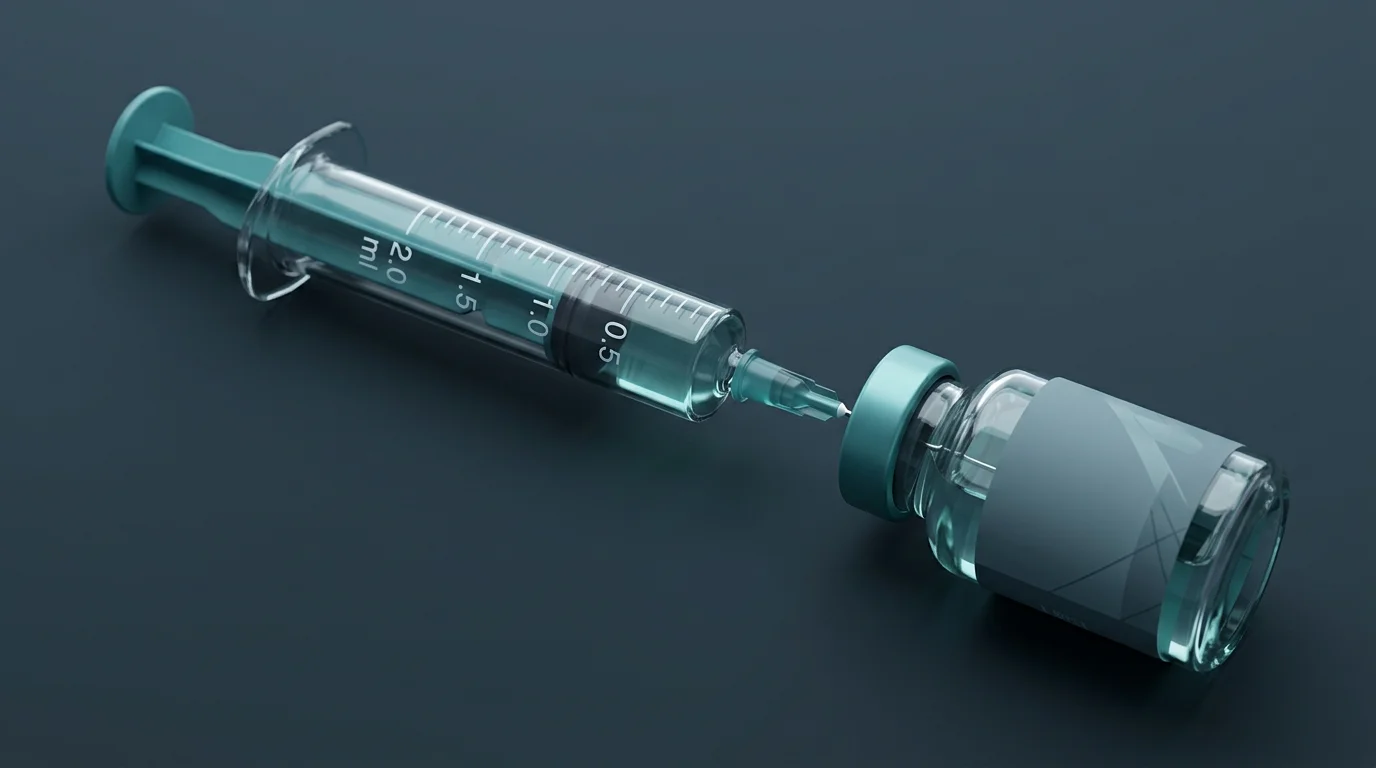
Dosing
Disclaimer: All dosing information is for research reference only. Hexarelin is not approved for human use by the FDA or other regulatory agencies. Consult a healthcare provider before considering any peptide use.
Research Protocols
Based on available research literature, the following protocols have been studied:
Administration Notes
Subcutaneous Injection
- Most common research route for self-administration
- Inject on an empty stomach (fasting for at least 1 hour)
- Optimal timing: morning upon waking and before bed
- Optional third dose mid-afternoon, at least 2 hours post-meal
- Avoid food for 30 minutes after injection to maximize GH response
Intravenous
- Used in clinical studies
- Provides the most rapid and complete GH release
- Requires medical supervision
Intranasal
- Studied but shows poor bioavailability (~15-20%)
- Not recommended as primary route due to inconsistent absorption
Reconstitution
When using lyophilized hexarelin:
- Use bacteriostatic water for reconstitution
- Typical concentration: 5mg in 2.5ml bacteriostatic water = 2mg/ml
- Store reconstituted peptide refrigerated (2-8C)
- Use within 3 weeks of reconstitution
- Protect from light exposure
Pharmacokinetics
Absorption
- Subcutaneous: Rapid absorption with peak plasma levels in approximately 20 minutes
- Intravenous: Immediate peak with rapid distribution
- Bioavailability: Approximately 90% via subcutaneous injection
Distribution
- Volume of distribution suggests moderate tissue penetration
- Crosses the blood-brain barrier to reach hypothalamic targets
- High affinity for pituitary tissue (primary target organ)
- CD36 binding provides cardiac tissue targeting
Metabolism
- Primarily hepatic metabolism via peptidases
- Does not appear to be a substrate for CYP450 enzymes
- No known pharmacologically active metabolites characterized
- Renal contribution to metabolism is minor
Elimination
- Half-life: Approximately 70 minutes
- Primarily eliminated via hepatic peptide degradation
- Some renal clearance of fragments
- GH release persists well beyond plasma hexarelin clearance, with GH peaks lasting 2-4 hours
- No significant accumulation with standard dosing intervals
Synergy & Stacking
Hexarelin is commonly combined with other peptides to optimize GH release or address complementary goals.
Common Combinations
Hexarelin + CJC-1295 (with or without DAC)
The most studied GH-maximizing combination:
- CJC-1295 acts as a GHRH analog, stimulating GH synthesis and priming somatotrophs
- Hexarelin amplifies the GH pulse through ghrelin receptor activation
- Dual-pathway stimulation produces 2-3x greater GH release than either alone
- Administer simultaneously for maximum synergy
Hexarelin + BPC-157 / TB-500
For recovery-focused protocols:
- Hexarelin provides the systemic anabolic and GH-mediated healing environment
- BPC-157 targets localized tissue repair
- TB-500 provides systemic cell migration and healing
- Time hexarelin doses around training; BPC-157/TB-500 near injury site
Hexarelin + Testosterone (TRT Context)
In clinical contexts:
- GH and testosterone have synergistic effects on body composition
- Hexarelin-induced GH elevation complements testosterone's anabolic effects
- Monitor IGF-1 and estrogen levels when combining
Timing Considerations
- Administer on an empty stomach for maximum GH response
- Fats and carbohydrates blunt GH release; protein has less effect
- Morning and bedtime dosing aligns with natural GH pulsatility
- When cycling, standard protocol is 4 weeks on, 2 weeks off
Safety
Known Side Effects
Hexarelin's safety profile is moderately well-characterized from human studies:
Common (mild to moderate)
- Transient flushing and warmth after injection
- Increased hunger (ghrelin receptor activation)
- Water retention and mild edema (GH-related)
- Injection site reactions
Uncommon
- Elevated cortisol (dose-dependent; generally mild)
- Tingling or numbness in extremities (GH-related carpal tunnel-like effects)
- Mild prolactin elevation
- Headache
Rare/Theoretical
- Joint pain at higher doses (from elevated GH/IGF-1)
- Insulin resistance with prolonged use
- Potential for GH-mediated tumor promotion
Contraindications
Avoid or use with extreme caution if:
- Active or history of cancer
- Pituitary tumors or disorders
- Uncontrolled diabetes
- Pregnant or breastfeeding
- Under 18 years of age
Important: Hexarelin is the most potent commonly available GHRP and produces significant GH elevation. The GH desensitization effect is well-documented -- continuous use beyond 4-8 weeks shows diminishing GH returns. Cycling is essential. Additionally, hexarelin's effects on cortisol and prolactin, while generally mild, distinguish it from more selective GH secretagogues like ipamorelin.
Drug Interactions
Potential interactions include:
- Glucocorticoids (reduced GH response)
- Insulin and oral hypoglycemics (GH antagonizes insulin)
- Thyroid medications (GH affects T4/T3 conversion)
- Somatostatin analogs (direct opposition of GH release)
Monitoring
Baseline Assessments
Before starting any hexarelin protocol:
- IGF-1 levels (primary marker of GH axis activity)
- Fasting glucose and insulin (or HbA1c)
- Thyroid panel (TSH, Free T4, Free T3)
- Prolactin level
- Complete blood count
- Liver and kidney function tests
During Use
- IGF-1 at 2 and 4 weeks to assess GH response
- Fasting glucose monitoring, especially in those at risk for diabetes
- Watch for signs of water retention or joint discomfort
- Track body composition changes if that is the goal
- Monitor for GH desensitization (declining response over time)
Post-Protocol
- Repeat IGF-1 4 weeks after discontinuation to confirm normalization
- Reassess fasting glucose and insulin sensitivity
- Document GH response timeline for future cycle planning
- Allow minimum 2-week washout before restarting
Regulatory
Current Status
| Region | Status |
|---|---|
| United States | Not FDA approved; research chemical |
| European Union | Not approved; investigated by Italian researchers |
| Australia | Schedule 4 (prescription only) |
| Canada | Not approved; research compound |
| WADA | Prohibited (S2 class: Peptide Hormones) |
Legal Considerations
- Classified as a research chemical in most jurisdictions
- Prohibited in competitive sports by WADA and most national anti-doping agencies
- Not approved for clinical use in any country
- Available from research chemical suppliers
- Quality and purity vary significantly between sources
Future Outlook
- GH desensitization has limited clinical development as a GH secretagogue
- Cardioprotective properties remain an active area of interest
- CD36-mediated cardiac effects may lead to novel therapeutic applications
- Modified analogs addressing desensitization are under investigation
References
Compare Hexarelin Prices
2 vendors| Vendor | Quantity | Price | $/mg | |
|---|---|---|---|---|
Core PeptidesBest Value | 10mg | $87.00 | $8.70/mg | View Deal |
Core Peptides | 5mg | $57.00 | $11.40/mg | View Deal |
For research purposes only. We may earn a commission.
See all vendors →Community Insights
Limited DataAggregated from 10 self-reported experiences collected from public forums.
Overall Sentiment
Reported Benefits
- noticeable sensation after injection1x
- incredibly effective1x
- helpful to sleep1x
Reported Side Effects
- soreness in armpit area1x
- chest soreness1x
- back soreness1x
- increased sleep need1x
- morning grogginess1x
- energy levels dipped1x
Common Doses Reported
- 20 units daily1 report
- 100 mcg twice daily1 report
- 20 units1 report
Administration Routes
- subcutaneous3 reports
This data reflects self-reported user experiences collected from public forums. It is not medical advice. Individual results vary. Always consult a qualified healthcare professional before using any research compound.
Get Our Free Peptide Research Guide
100 essential tips for safe peptide research, delivered as a free PDF.
Where to Buy Hexarelin
Compare prices from 2 vendors • Best value: $8.70/mg
10
$87.00
$8.70/mg
5
$57.00
$11.40/mg
Disclaimer: These products are sold for research purposes only. Prices and availability may change. Prices as of 4/19/2026.
Need Research Supplies?
Syringes, bacteriostatic water, vials, alcohol swabs, and more. Everything you need for peptide research.
Browse Supplies